After several months of use, I can confidently say this device has become a permanent fixture on my desk—and not just because I’m too busy to unplug it. The voice dictation works impressively well, saving both time and keyboard wear, while the video quality is sharp enough to make even Monday morning Zoom calls look respectable.
Whether you’re conferencing or simply attempting to look professional from your home office, the performance is consistently reliable. As someone with over 25–30 years in the IT industry, I don’t hand out praise lightly—but in this case, it’s well deserved.
In short, this is an excellent choice for everyday office use. Logitech continues its long-standing tradition of delivering quality products—thankfully, without requiring an IT support ticket to get started.
If only every piece of tech behaved this well, IT departments everywhere could finally take a proper coffee break.
Rode
Rode AI-1 Single Channel Audio Interface
Out of stock
Couldn't load pickup availability
Share
Rode AI-1 Single Channel Audio Interface
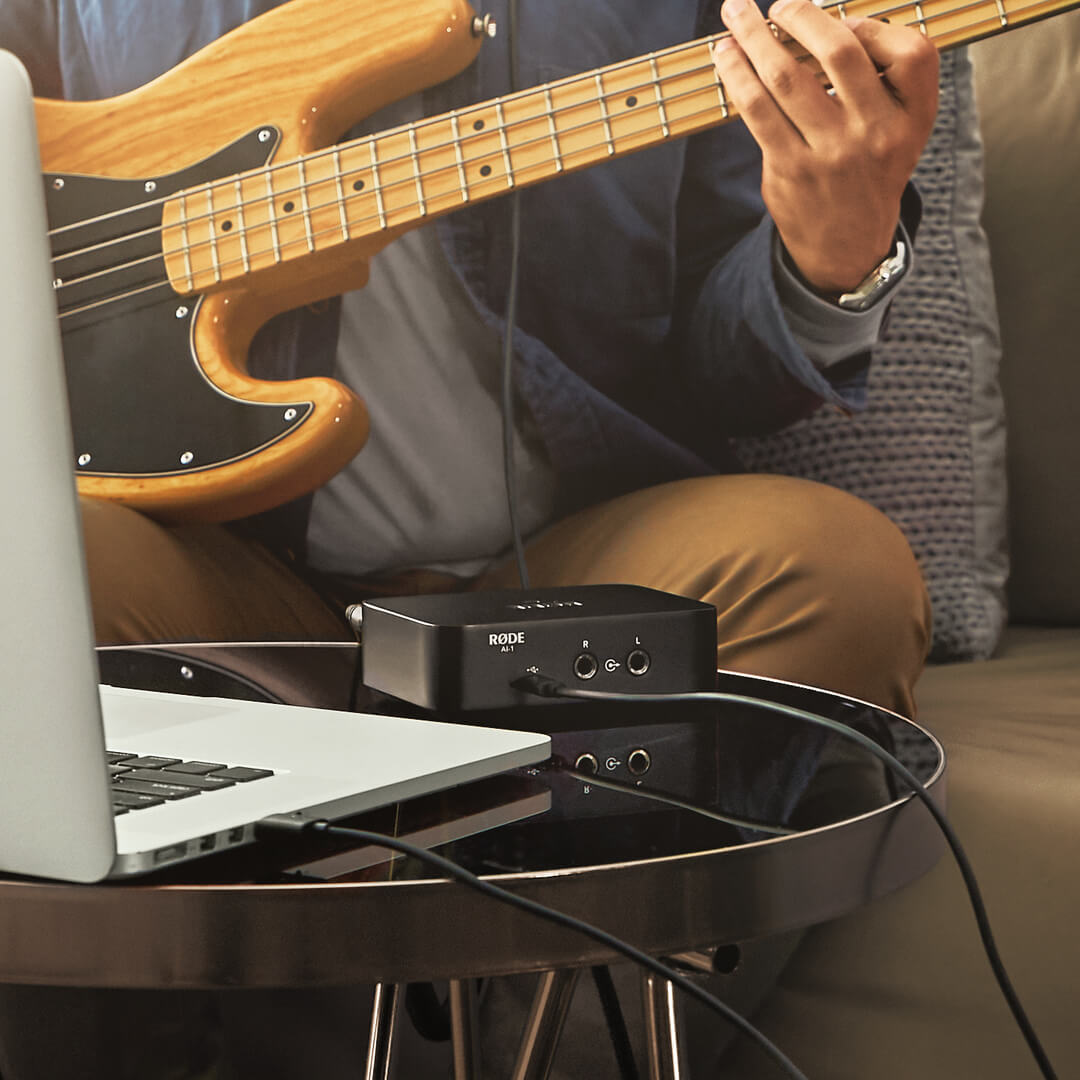
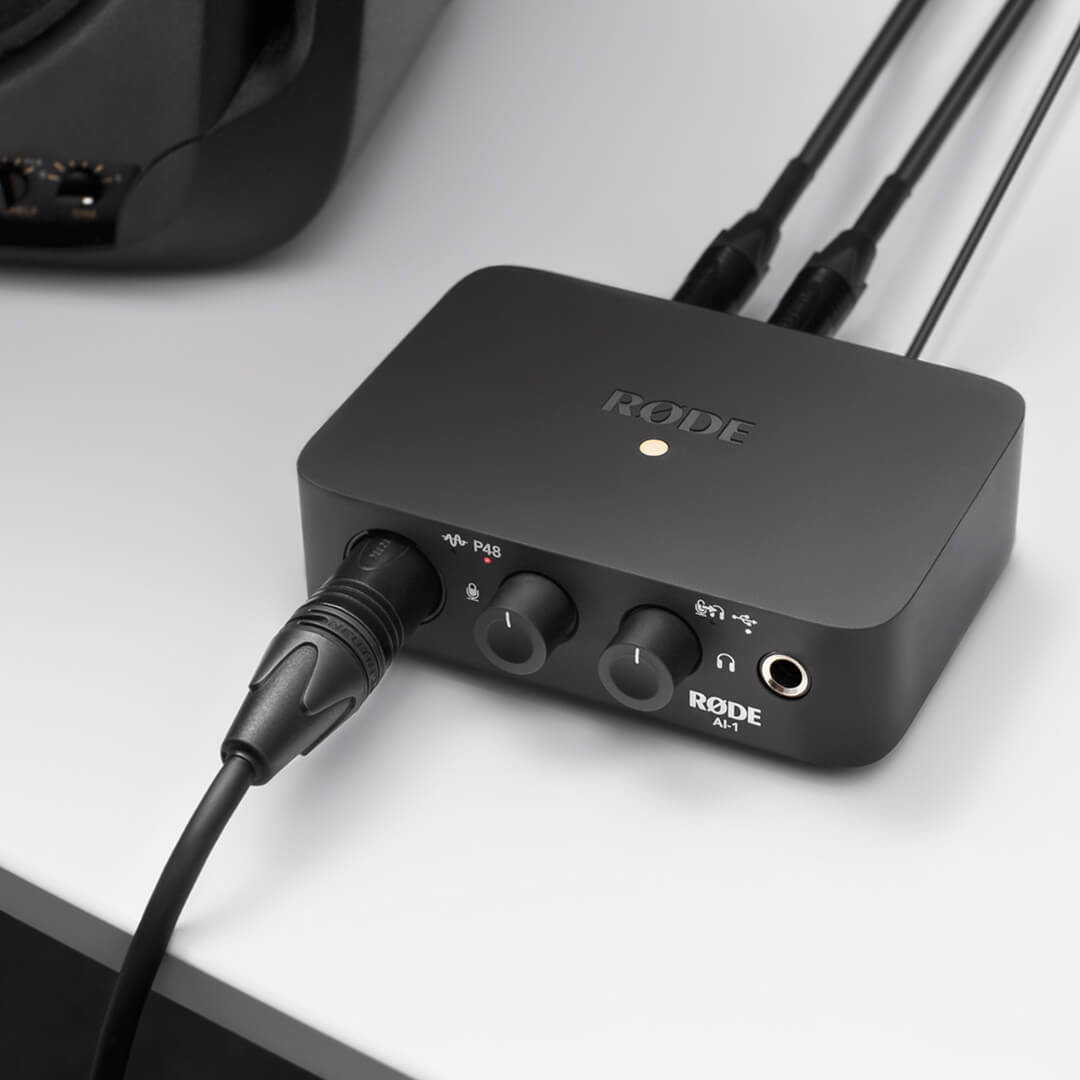
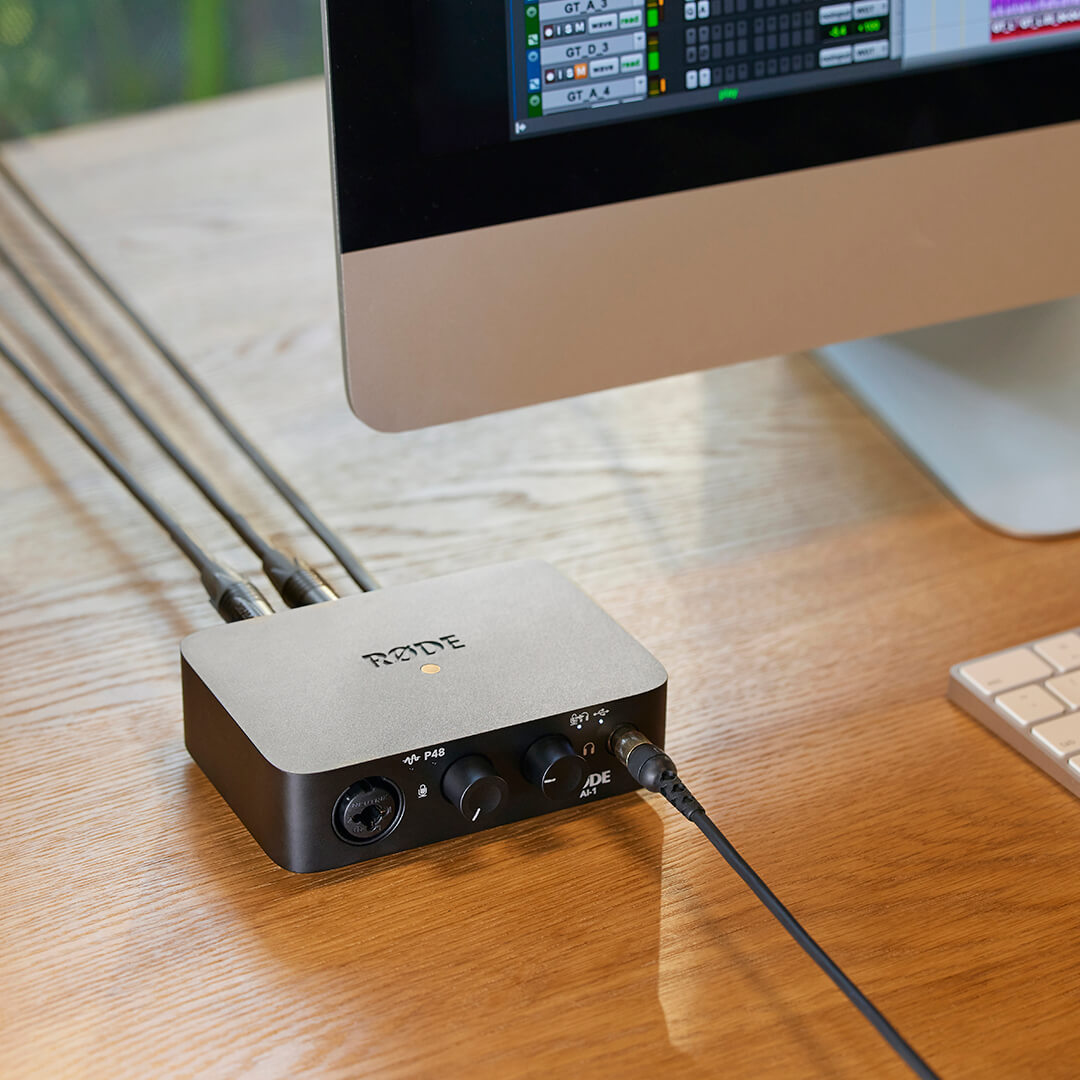
The AI-1 is a professional-grade single-channel audio interface that delivers exceptional audio quality for everything from bedroom music recording to live streaming and podcasting. Featuring a studio-grade preamp, a high-quality Neutrik combo jack for connecting microphones or instruments, and a high-power headphone amplifier for crystal-clear audio monitoring and playback, it’s the perfect interface for recording studio-quality audio at home.
Key Features:
- Professional-grade single-channel audio interface
- Neutrik combo jack for connecting microphones, guitars, synthesizers, and other instruments
- Studio-grade preamp with level indicator
- High-power headphone amplifier
Studio-quality Sound With Ease
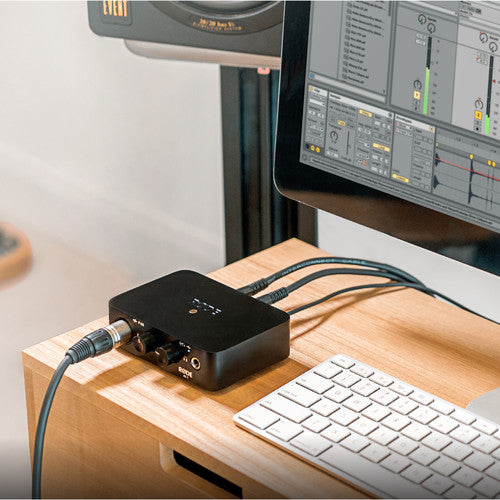
With a single input and streamlined controls, the AI-1 is incredibly simple to use – just connect it to your computer, plug in your microphone or instrument, and hit record. Under the hood, the AI-1 packs plenty of punch, including an ultra-low-noise, high-gain studio-grade preamp for recording pristine audio, balanced ¼-inch outputs for connecting your favorite speakers, and a high-power headphone amplifier capable of driving professional high-impedance models for flawless monitoring.

Get Connected and Create
The AI-1 features a high-quality Neutrik combo jack for connecting both XLR and ¼-inch cables, so you can plug in your microphone, guitar, bass, or synthesizer with ease. Switchable phantom power ensures any microphone is accommodated, while the simple indicator LED allows you to monitor your input level for crystal-clear audio every time. Every AI-1 also comes with a free version of Ableton Lite, so you can get a recording right away. Whether you’re live streaming or making multi-layered music, the AI-1 will capture your sonic vision in every detail.

RØDE Central
RØDE Central is an easy-to-use companion app for the AI-1 (and other RØDE devices) that allows you to access device information and update to the latest firmware. The latest firmware version adds an extended gain range for enhanced performance with low-output dynamic microphones. To update, download RØDE Central below and follow the prompts.

Specifications
| Form Factor | Desktop |
| Display | None |
| Channels of I/O | 1 Input / 2 Output |
| Built-In DSP | None |
| Maximum Sampling Rate | 96 kHz / 24-Bit |
| Number of Microphone Preamps | 1 Preamp |
| Built-In Microphone | None |
| Input Level Adjustment | 2 x Knob |
| Expansion Slots | None |
Signal Processing
| Gain/Trim Range |
Inputs: 0 to 45 dB |
| High-Pass Filter | None |
| Solo/Mute | None |
Connectivity
| Analog Audio I/O |
1 x Combo XLR-1/4" TRS Mic/Line Input 2 x 1/4" TRS Balanced Line Output 1 x 1/4" TRS Headphone Output |
| Phantom Power | 48 V |
| Digital Audio I/O | None |
| Host Connection / USB | USB-C |
| Host Connection Protocol | Not Specified by Manufacturer |
| USB (Non-Host) | None |
| Sync I/O | None |
| Network I/O | None |
| MIDI I/O | None |
Performance
| Frequency Response | 20 Hz to 20 kHz ±1 dB |
| Maximum Output Level |
Monitor Outputs: -6 dBu |
| Headphone Output Power | 24 mW into 32 Ohms 245 mW into 300 Ohms |
| Impedance |
Hi-Z Inputs: 0.9 Megohm Mic Inputs: 1.3 Kilohms |
| Dynamic Range | 104 dBu |
| EIN | -128 dBA |
Digital Audio
| Sample Rates | 44.1 / 48 / 88.2 / 96 kHz |
| Sample Rate Conversion | None |
| Bit Depths | 24-Bit |
| Latency | Zero-Latency Direct Monitoring |
| Clocking | Internal: |
Compatibility
| OS Compatibility | macOS 10.10 or Later Windows 7 or Later *As of November 2021: Check with the manufacturer for the most up-to-date compatibility |
| Included Software | None |
| Included Plug-Ins | None |
| Supported Drivers/API & Plug-Ins | macOS Class-Compliant (No Driver Needed) Windows Class-Compliant (No Driver Needed) |
Power
| Power Requirements | USB Bus Power |
Physical
| Dimensions | 4.9 x 3.9 x 1.5" / 124 x 100 x 38 mm |
| Weight | 19.8 oz / 561.3 g |
Packaging Info
| Package Weight | 1.155 lb |
| Box Dimensions (LxWxH) | 7 x 5.1 x 2.55" |
Tips for protecting your children online
In today's digital age, ensuring your children's safety while they browse the internet is paramount. As they explore the vast online world through smartphones, gaming consoles, laptops, and other devices, it's essential to implement measures to shield them from potentially harmful content and interactions. Here are some tips to help you safeguard your children online:
1. Communication is Key
Open and ongoing communication with your children about online safety is crucial. Discuss the potential dangers they may encounter online, such as pornography, cyberbullying, and violent content. Encourage them to come to you with any concerns or questions they may have.
2. Set Clear Boundaries
Establish clear rules and boundaries regarding internet usage. Define appropriate time limits for browsing and specify which websites and apps are off-limits. Make sure your children understand the consequences of violating these rules. You can also restrict some of these apps or online content utilizing device level parental controls explained below.
3. Utilize Parental Controls
Take advantage of the parental control features available on devices and internet browsers. These controls allow you to block access to specific websites, set age-appropriate content filters, and monitor your children's online activities. Familiarize yourself with the parental control options on smartphones, gaming consoles, and laptops to effectively manage your children's online experiences.
4. Educate Yourself
Stay informed about the latest trends and technologies related to online safety. Familiarize yourself with popular social media platforms, gaming communities, and messaging apps that your children may use, including the functions they provide. This knowledge will help you understand the potential risks and take appropriate action to protect your children.
5. Monitor Their Online Activities
Regularly monitor your children's online activities to ensure they are adhering to the rules and staying safe. Keep an eye on their browsing history, social media interactions, and messaging apps. Be vigilant for any signs of cyberbullying or exposure to inappropriate content.
6. Encourage Safe Online Behavior
Teach your children about the importance of practicing safe online behavior. Remind them never to share personal information, such as their full name, address, or phone number, with strangers online. Encourage them to think critically about the content they encounter and to report anything that makes them feel uncomfortable or unsafe.
7. Lead by Example
Be a positive role model for your children by demonstrating responsible and respectful online behavior yourself. Show them how to navigate the internet safely and responsibly, and emphasize the importance of treating others with kindness and empathy online.
8. Reporting abuse, making complaints and finding more information
For additional resources and guidance on online safety, visit the Australian e-Safety Commissioner's website at www.esafety.gov.au. Here, you'll find a wealth of information, including tips for parents, educational resources for children, and tools for reporting online abuse and harassment.
You can also report abuse through the website’s online form.
By following these tips and utilizing available resources, you can help keep your children safe from pornography, cyberbullying, violent content, and other unsafe material while they navigate the internet. Remember, proactive measures and open communication are key to fostering a safe and positive online environment for your family.